COnditions
SI Joint Dysfunction
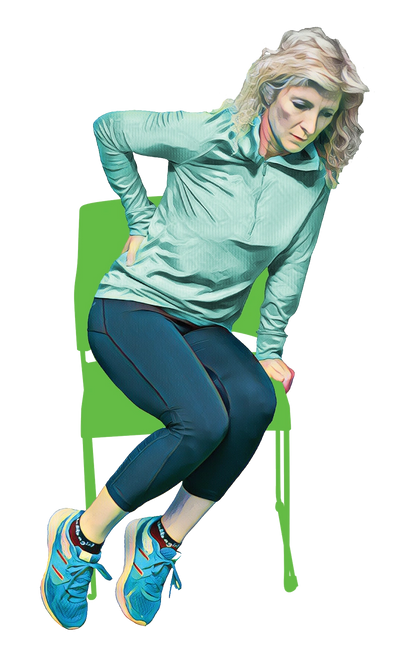
Sacroiliac (SI) joint pain is felt in the low back and buttocks. The pain is caused by damage or injury to the joint between the spine and hip. Sacroiliac pain can mimic other conditions, such as a herniated disc or hip problem. Accurate diagnosis is important to determine the source of pain. Physical therapy, stretching exercises, pain medication, and joint injections are used first to manage the symptoms. Surgery to fuse the joint and stop painful motion may be recommended.
The SI joints are located between the iliac bones and the sacrum, connecting the spine to the hips. The two joints provide support and stability, and play a major role in absorbing impact when walking and lifting. From the back, the SI joints are located below the waist where two dimples are visible. Strong ligaments and muscles support the SI joints. There is a very small amount of motion in the joint for normal body flexibility. As we age our bones become arthritic and ligaments stiffen. When the cartilage wears down, the bones may rub together causing pain. The SI joint is a synovial joint filled with fluid. This type of joint has free nerve endings that can cause chronic pain if the joint degenerates or does not move properly.
Carpal Tunnel Syndrome
Carpal tunnel syndrome is caused by pressure on the median nerve. The carpal tunnel is a narrow passageway surrounded by bones and ligaments on the palm side of your hand. When the median nerve is compressed, the symptoms can include numbness, tingling and weakness in the hand and arm.
Cervical Stenosis
Cervical spinal stenosis is the narrowing of the spinal canal in the neck, causing compression of the spinal cord or nerve roots, typically due to age-related wear and tear. Symptoms include neck pain, numbness, weakness, and loss of dexterity in hands, or gait imbalances. Treatment ranges from physical therapy and injections to surgical decompression.
Cervical radiculopathy
Cervical radiculopathy, or a "pinched nerve" in the neck, occurs when a nerve root in the cervical spine is compressed or irritated, causing radiating pain, weakness, or numbness in the arm, shoulder, or hand. Often caused by age-related disc degeneration or herniation, it is typically treated with physical therapy, medication, and, in most cases, improves without surgery.
Compression fractures
The type of fracture in the spine that is typically caused by osteoporosis is generally referred to as a compression fracture. A compression fracture is usually defined as a vertebral bone in the spine that has decreased at least 15 to 20% in height due to fracture.
Cubital tunnel syndrome
Cubital tunnel syndrome is a common compression neuropathy occurring when the ulnar nerve (the "funny bone" nerve) is squeezed or irritated at the inner elbow. It causes numbness, tingling in the ring/pinky fingers, and weakness in the hand. Treatment includes avoiding prolonged elbow flexion, splinting, and nerve gliding exercises, with surgical release for severe cases.

Degenerative disc disease (DDD)
Degenerative disc disease (DDD) is typically associated with aging. As you age, your discs, like other joints in the body, can degenerate (break down) and become problematic: That's a natural part of growing older as your body deals with years of strain, overuse, and maybe even misuse. However, DDD can occur in people as young as 20, so sadly, youth doesn't always protect you from this disc-related spinal condition. In fact, some patients may inherit a prematurely aging spine.
Degenerative disc disease involves the intervertebral discs. Those are the pillow-like cushions between your vertebrae in your spine. They help your back carry weight and allow complex motions of the spine while maintaining stability. As you age, the discs can lose flexibility, elasticity, and shock absorbing characteristics. They also become thinner as they dehydrate. When all that happens, the discs change from a supple state that allows fluid movement to a stiff and rigid state that restricts your movement and causes pain.
Discogenic pain
Discogenic pain is chronic back or neck pain originating from a damaged, degenerated, or herniated intervertebral disc, causing deep, aching, and often radiating pain that worsens with sitting or bending. It causes roughly 40% of chronic low back pain cases, usually triggered by inflammation or annular tears in the disc. Treatment involves physical therapy, lifestyle changes, and medication.
Dystonia
Dystonia is a chronic neurological movement disorder characterized by involuntary, sustained, or repetitive muscle contractions that cause twisting, repetitive movements, or abnormal postures. It can affect specific body areas (focal) or multiple muscles, resulting in significant pain, fatigue, and disruption to daily tasks like writing, walking, or talking. While there is no cure, treatments include botox, medication, and therapy.
Epilepsy
Epilepsy is a chronic neurological disorder characterized by recurrent, unprovoked seizures caused by sudden, abnormal electrical activity in the brain. It affects millions worldwide, resulting from genetic, structural, or unknown causes. Symptoms vary from convulsions and loss of awareness to subtle, brief sensations. While no cure exists, medications control seizures for most, though it can impact daily life.
Essential tremor
Essential tremor (ET) is a common, often inherited, neurological disorder causing involuntary, rhythmic shaking—most commonly in the hands—during movement or when holding postures. While not typically life-threatening, ET is progressive and can interfere with daily tasks like writing or drinking. It is managed with medications (e.g., propranolol), Botox, or treatments like focused ultrasound, usually diagnosed by neurologists.
Failed back surgery
Failed Back Surgery Syndrome (FBSS) refers to chronic pain that persists or develops after spinal surgery, affecting 10–40% of patients. It is characterized by lingering lumbar or leg pain, often due to scar tissue, recurrent herniation, or nerve damage. Management includes physical therapy, pain medication, nerve blocks, or sometimes, revision surgery.
Hemifacial spasm
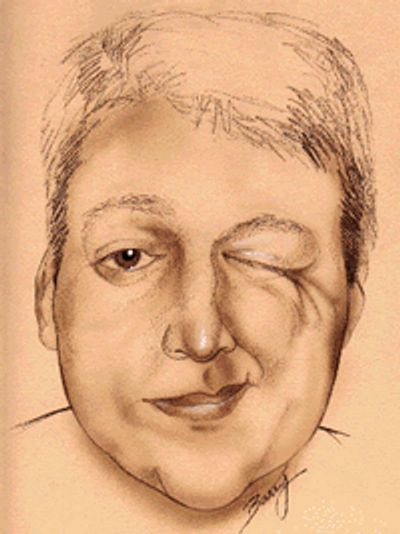
Hemifacial spasm is a rare neuromuscular disorder characterized by involuntary, repetitive twitching of muscles on one side of the face, typically starting around the eye and spreading to the mouth and neck. It is most often caused by a blood vessel compressing the facial nerve, treated primarily with botulinum toxin (Botox) or microvascular decompression surgery.
Herniated disc
A herniated disc (slipped or ruptured disc) occurs when the soft, jelly-like center of a spinal disc pushes through its outer layer, irritating nearby nerves. Symptoms commonly include sharp, radiating pain in the back, neck, arms, or legs, often accompanied by numbness, tingling, or weakness, and it usually heals in 4-6 weeks with non-surgical treatment like rest and physical therapy.
Low back pain
Lower back pain is a very common condition, often caused by muscle strains, overuse, or injury from activities like lifting. It usually improves within weeks through self-care—such as heat/ice, gentle movement, and OTC pain relievers (NSAIDs)—along with maintaining good posture and a healthy weight.
Lumbar radiculopathy
Lumbar radiculopathy, often called sciatica, is a painful condition caused by compression or irritation of nerve roots in the lower back. Symptoms include radiating pain, numbness, tingling, and weakness in the buttock and leg. Common causes are disc herniation, stenosis, and spinal degeneration. It usually improves within a few weeks via conservative treatments like physical therapy.
Lumbar Stenosis
Lumbar spinal stenosis is the narrowing of the spinal canal in the lower back, compressing nerves that travel to the legs. Often caused by age-related wear-and-tear or arthritis, it typically causes lower back pain, leg numbness, weakness, and pain when standing or walking that eases with sitting.
Neck Pain
Neck pain is commonly caused by muscle strain from poor posture, long-term screen use, or stress, typically lasting from a few days up to six weeks. While often treated at home with rest, ice/heat, and OTC medications, it can sometimes be chronic (lasting >3 months) and result from injuries or arthritis.

Brain Tumors
Brain tumors are abnormal cell growths in the brain or skull, classified as benign (noncancerous) or malignant (cancerous). Symptoms include headaches, seizures, and vision changes, with treatment often involving surgery, radiation, or chemotherapy. Early diagnosis via MRI or CT scans is critical for better outcomes.
Parkinson's Disease
Parkinson's disease is a progressive neurological disorder caused by the loss of dopamine-producing brain cells, leading to movement issues like tremors, stiffness, and slowness. Affecting over 10 million people worldwide, it is common in older adults. While incurable, treatments such as medication and exercise effectively manage symptoms.
Sacral Insufficiency Fracture
A sacral insufficiency fracture (SIF) is a type of stress fracture occurring in weakened bone (usually from osteoporosis) under normal stress, causing severe low back, buttock, or groin pain, often with little or no trauma. Primarily affecting elderly women, they cause mobility loss and are diagnosed via MRI or CT.
Spinal Fracture
A spinal fracture, or broken back/neck, is a break in one or more vertebrae caused by trauma (falls, accidents) or weakened bone (osteoporosis, cancer). Symptoms include sudden, severe back pain, numbness, tingling, or weakness. Treatments range from rest and bracing to surgical stabilization (kyphoplasty, spinal fusion).
Spinal stenosis
Spinal stenosis is the narrowing of the spinal canal, causing pressure on nerves and the spinal cord, commonly leading to back or neck pain, numbness, and tingling. Often caused by age-related degeneration (arthritis, bone spurs) in people over 50, it is managed with physical therapy, medication, or surgery.
Spinal tumors
A spinal tumor is an abnormal growth of cells within or surrounding the spinal cord or column, which can be benign or malignant (cancerous). Key symptoms include persistent, severe back pain—often worse at night or when lying down—along with radiating pain, muscle weakness, numbness, and potential neurological issues like loss of bladder/bowel control.

Spinal instability
Spinal instability occurs when the vertebrae in your spine move abnormally or excessively, often because the supporting structures—like discs, ligaments, and joints—are no longer functioning correctly. This lack of stability can lead to chronic pain, nerve irritation, or even structural deformities.
Spondylolisthesis
Spondylolisthesis is a spinal condition where a vertebra slips out of place onto the bone below it, most commonly in the lower lumbar spine (L4-L5, L5-S1). It causes back pain, leg numbness, and, in severe cases, nerve damage.
Trigeminal neuralgia
Trigeminal neuralgia is a chronic neurological disorder causing severe, electric shock-like facial pain, usually triggered by light touch, chewing, or talking. Often caused by a blood vessel compressing the trigeminal nerve, it is treated with medications (e.g., carbamazepine) or surgeries, such as microvascular decompression.